




 |
||||||||||||||||||||||||||||||||||
 |
||||||||||||||||||||||||||||||||||
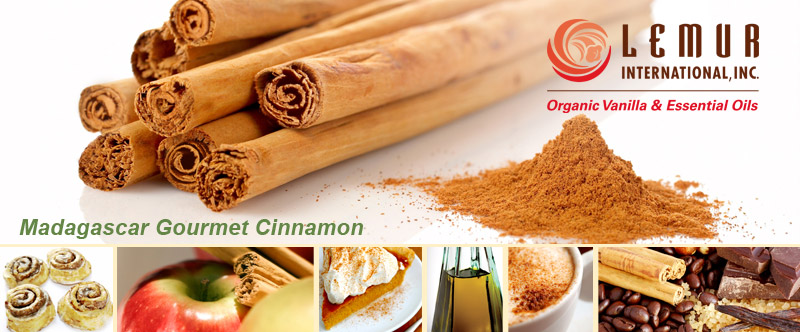
| The “Rolls-Royce” of Cinnamon...for your Cinnamon Rolls The Rolls – symbol of luxury, quality and exquisite taste. That’s what you’ll experience with your first taste of Lemur’s premium Madagascar Gourmet Cinnamon (Cinnamomum Zeylanicum). Go ahead and try it: You can taste our sweet gourmet cinnamon right out of the bottle without the spicy or hot taste ordinary cinnamon. And no, we haven’t added any sugar! |
||||||||||||||||||||||||||||||||||
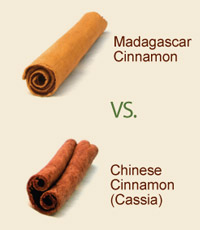
| Not All Cinnamon Is the Same Cinnamon from Madagascar is quite different from the Chinese Cinnamon (Cassia) commonly sold in the United States. Our cinnamon is the original, sought after by the Romans, Marco Polo, and later European traders who finally found "the source" in Ceylon, now Sri Lanka. (Zeylanicum is the Latin word for Ceylon). Cinnamon Zeylani-cum, also known as True Cinnamon, is native to Sri Lanka and grows wild on Madagascar's east and northwest coasts. By contrast, the majority of ground cinnamon currently sold in the United States is actually inferior Cinnamomum Cassia. Cassia is cultivated in China and Indonesia from the aromatic bark of the Chinese cinnamon tree (also known as Chinese cassia or the bastard cinnamon tree). The corky outer bark is not removed in the production of cassia, which is more pungent and robust than Madagascar cinnamon. It is not as delicate, sweet or subtle as the cinnamon produced in Sri Lanka or Madagascar. |
A Difference for the Environment and Farmers Our Madagascar Gourmet Cinnamon boasts yet another difference: helping local villagers to learn sustainable agricultural techniques. By the mid 1990s Madagascar's cinnamon production came to a standstill due to wanton harvesting of cinnamon bark and roots. To give the cinnamon trees a chance to recover, the government forbade the exportation of cinnamon. Our cinnamon is harvested from a model cinnamon farming program that has taught villagers how to clear underbrush to protect trees from fire and to operate a steam distillation facility for leaves that are a byproduct of bark collection. A Difference for Good Health Cinnamon is antimicrobial and also restrains the growth of fungi and yeast, making it potentially useful in the treatment of allergies. Cinnamon also holds promises for people with diabetes, because it appears to stimulate insulin activity thereby helping the body to process sugar more efficiently. You see, that cinnamon roll may not only taste good, but be good for you, too! |
|||||||||||||||||||||||||||||||||
|
||||||||||||||||||||||||||||||||||

3701 Collins Avenue, Ste. 3N, Richmond, CA 94806 P: 510 620-9708 F: 510 620-9965